How to Choose the Best Salon Appointment Booking System
If you are still managing your salon appointments with a paper diary, WhatsApp messages, or a combination of both, you are leaving money on the table every single day. A professional salon appointment booking system is no longer a nice-to-have — it is the backbone of a well-run salon business. It determines how easily clients can find and book your services, how efficiently your staff spends their time, and how much revenue slips through the cracks due to no-shows, double bookings, and scheduling gaps.
But choosing the right salon booking software is not as simple as picking the first option that appears in a search. The market is crowded with platforms offering wildly different features, pricing structures, and levels of support. This guide will help you evaluate your options methodically, avoid common pitfalls, and select a salon management software solution that fits your business today and scales with you tomorrow.
Why Your Salon Needs a Professional Booking System
The argument for moving beyond pen and paper is not about chasing technology for its own sake. It is about solving real problems that directly affect your bottom line.
Clients Expect to Book on Their Terms
Consumer behavior has shifted permanently. People book restaurant tables, doctor appointments, and flights online without thinking twice. They expect the same convenience from their salon. When a potential client discovers your salon at 10 PM on a Sunday and cannot book an appointment instantly, they move on to a competitor who offers online scheduling. A salon booking system that operates around the clock captures demand that a phone-only approach simply cannot.
Manual Scheduling Wastes Your Most Valuable Resource
Every minute your receptionist spends answering phone calls, checking availability, writing down appointments, and sending confirmation messages is a minute they are not spending greeting walk-in clients, upselling products, or creating a welcoming atmosphere. Appointment scheduling software automates the repetitive work and frees your front desk to focus on the human interactions that make your salon memorable.
Scattered Information Creates Operational Risk
When appointment details live in multiple places — a desk diary, a phone’s WhatsApp history, a staff member’s memory — things go wrong. A booking gets lost. Two clients are scheduled for the same chair at the same time. A stylist shows up for a shift with no appointments because the information was never shared. A centralized salon reservation system eliminates these risks by maintaining a single source of truth that everyone on your team can access in real time.
The True Cost of Missed Appointments
No-shows are the silent killer of salon profitability. Understanding their full impact makes the case for a booking system with automated reminders virtually irrefutable.
The Direct Revenue Loss
When a client does not show up for a 45-minute haircut or a two-hour coloring session, that chair sits empty. The stylist is paid regardless. The products allocated for the service go unused. And because the cancellation happened without warning, no other client could fill the gap. For a salon charging an average of 200 MAD per appointment and experiencing five no-shows per week, the annual revenue loss exceeds 50,000 MAD. For busier salons, the figure can reach well into six figures.
The Hidden Costs
Beyond the immediate revenue loss, no-shows create cascading problems. Staff morale drops when they sit idle during slots that should have been productive. Scheduling becomes unpredictable, making it harder to plan staffing levels accurately. And the salon’s overall capacity utilization — the percentage of available appointment slots that are actually filled — suffers, which means your fixed costs (rent, utilities, insurance) are spread across fewer revenue-generating hours.
The Automated Reminder Solution
Salons that implement automated SMS or WhatsApp reminders through their booking software typically see no-show rates drop by 40% to 60%. A simple message sent 24 hours before the appointment — “Hi Sarah, just a reminder about your appointment tomorrow at 3 PM with Leila” — gives clients enough time to confirm, reschedule, or cancel, allowing you to fill the slot with another client. The cost of sending these reminders is negligible compared to the revenue they protect.
Must-Have Features in a Salon Booking System
When evaluating salon management software, these features should be non-negotiable. Without them, you are paying for a tool that does not solve your core problems.
Online Booking with Real-Time Availability
Clients should be able to see exactly which services are available, at what times, and with which stylists — and book instantly without waiting for a confirmation callback. The calendar should update in real time so that the moment one client books a 2 PM slot, it disappears from availability for everyone else. This prevents double bookings and gives clients confidence that their reservation is confirmed.
Visual Calendar Management
Your staff needs a clear, intuitive view of the day’s schedule. A well-designed salon booking system displays appointments in a visual calendar format, color-coded by stylist, service type, or status. Dragging and dropping to reschedule, viewing multiple stylists side by side, and spotting gaps in the schedule should be effortless. If the calendar is confusing or cluttered, your team will resist using it.
Automated Reminders and Confirmations
As discussed, automated reminders are essential for reducing no-shows. But the system should also send instant booking confirmations when a client schedules an appointment, and follow-up messages after their visit to encourage rebooking or request feedback. These touchpoints happen automatically, requiring zero effort from your staff while strengthening the client relationship.
Client Profiles and History
Every client who visits your salon should have a digital profile that captures their contact information, visit history, preferred services, product purchases, allergies or sensitivities, and any personal notes. When a returning client books, any team member should be able to see their full history at a glance. This enables personalized service — remembering that a client prefers a specific shampoo brand or always adds a blow-dry — without relying on a single stylist’s memory.
Walk-In Management
Not every appointment is pre-booked. Your salon booking software must handle walk-in clients just as smoothly as scheduled ones. The system should let your receptionist quickly check current availability, assign a stylist, and add the walk-in to the live schedule so that it is reflected across all views immediately. Ignoring walk-in management creates a parallel universe of untracked appointments that undermines the entire system.
Payment Processing and Checkout
A complete salon management software solution includes built-in payment processing. Your team should be able to check clients out, process card or cash payments, apply discounts, sell retail products, and generate receipts — all within the same platform. When payments are linked to appointments and client profiles, you get accurate revenue data without manual reconciliation.
Nice-to-Have Features That Set Top Systems Apart
Once the essentials are covered, these advanced features distinguish good salon software from great salon software.
Analytics and Business Intelligence
Can you answer these questions right now: What is your average revenue per client? Which day of the week generates the most bookings? Which stylist has the highest retention rate? If not, you need analytics. The best salon booking systems provide dashboards and reports that reveal trends, highlight opportunities, and flag problems before they become crises. Data-driven salon owners consistently outperform those who manage by intuition alone.
Multi-Location Management
If you operate more than one salon — or plan to open a second location — look for software that supports multiple branches under one account. You should be able to manage shared clients, view consolidated financial reports, and maintain consistent service menus across locations while allowing branch-specific pricing or staff schedules.
Staff Performance Tracking
Understanding how each stylist contributes to your business goes beyond counting appointments. Advanced salon management software tracks metrics like average ticket value per stylist, rebooking rate, product sales, client satisfaction scores, and utilization rate. This data supports fair commission structures, identifies training needs, and helps you recognize and retain your top performers.
Loyalty Programs and Marketing Tools
Built-in loyalty programs that reward clients for repeat visits and referrals can significantly boost retention. Look for systems that let you create point-based rewards, membership packages, or tiered VIP programs. Integrated marketing tools — such as promotional SMS campaigns, birthday offers, or win-back messages for lapsed clients — keep your salon top of mind without requiring a separate marketing platform.
Common Mistakes When Choosing Booking Software
Choosing the wrong system is worse than having no system at all, because it creates frustration, wastes money, and makes your team reluctant to try again. Avoid these common mistakes.
Over-Engineering the Solution
The most expensive, feature-rich salon booking software on the market is not necessarily the best choice for your business. A solo stylist with a single chair does not need enterprise-grade workforce management tools. A neighborhood salon does not need AI-powered demand forecasting. Start with software that solves your actual problems today, and ensure it can scale as your needs grow. Paying for complexity you do not use just makes the system harder to learn and more expensive to maintain.
Ignoring Staff Buy-In
Your booking system is only as good as the people using it. If your stylists find it cumbersome, they will revert to taking appointments on their personal phones. If your receptionist cannot navigate it quickly during a busy Saturday, they will pull out the paper diary. Involve your key staff members in the evaluation process. Let them test the interface. Ask for their feedback. A system that your team actively wants to use will deliver far better results than one imposed from above.
Not Considering Growth
Your salon might be a single location today, but what about next year? Choosing a salon management software that cannot support additional locations, more staff members, or higher appointment volumes will force a painful and expensive migration later. Even if you do not need multi-location support right now, confirm that the platform offers it as a growth path.
Overlooking Data Ownership
Your client database is one of your most valuable business assets. Before committing to any salon booking software, understand what happens to your data if you decide to leave. Can you export your full client list, appointment history, and financial records? Some platforms make it difficult or impossible to extract your data, effectively holding your business hostage.
How to Migrate from Paper or WhatsApp to Digital Booking
The transition from informal scheduling to a professional salon appointment booking system does not have to be disruptive. Follow these steps for a smooth migration.
Step 1: Audit Your Current Process
Document exactly how appointments are currently managed. Where are bookings recorded? Who handles scheduling? How are reminders sent (if at all)? What information do you capture about each client? This audit reveals what needs to be replicated in the new system and highlights gaps you can fill during the transition.
Step 2: Clean and Consolidate Client Data
Gather client information from every source — paper records, phone contacts, WhatsApp conversations, social media messages. Remove duplicates, verify phone numbers, and standardize names. This cleaned list becomes the foundation of your digital client database. The quality of your client data directly affects the value you get from CRM features, so invest the time to get it right.
Step 3: Configure Your Services and Staff
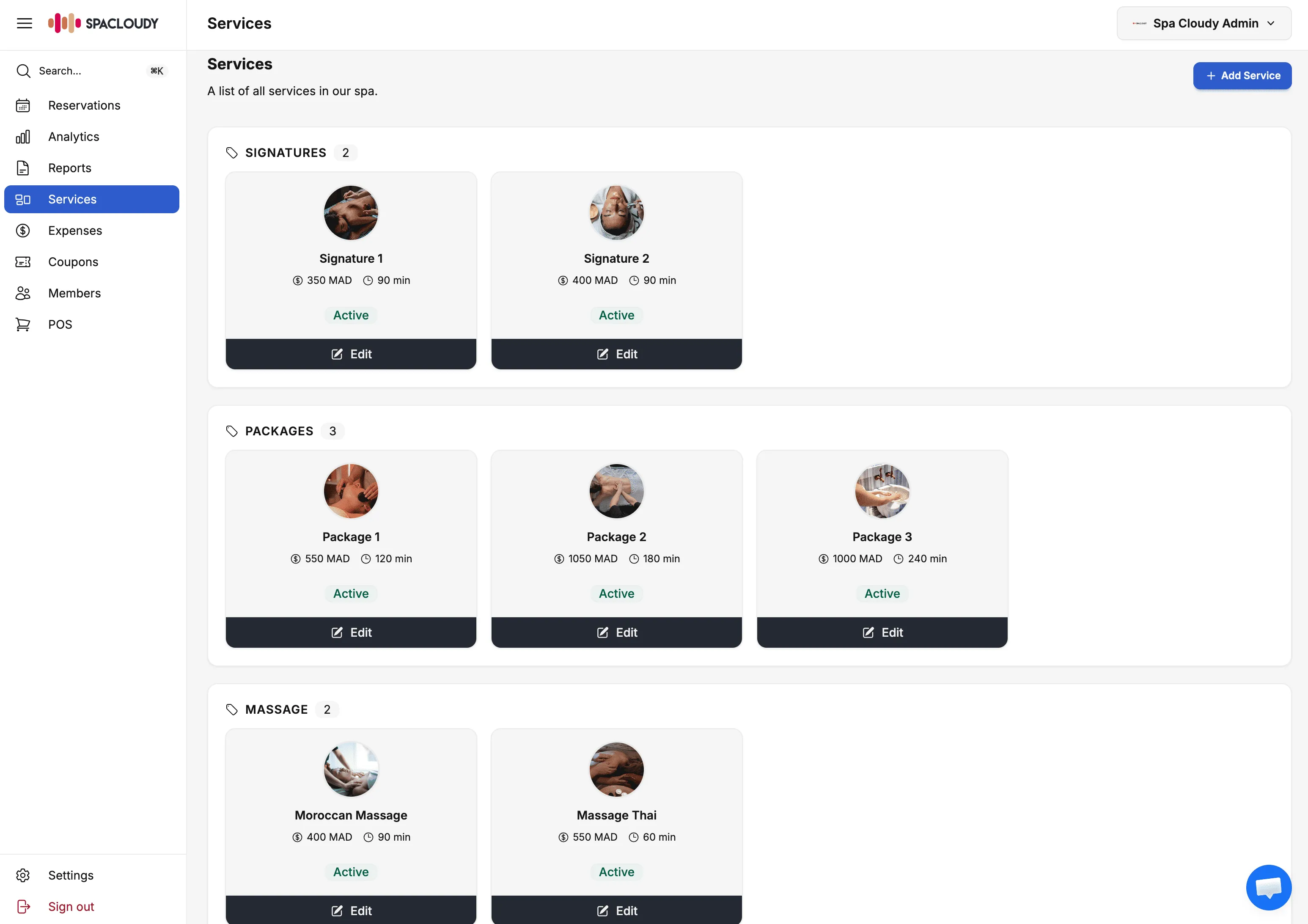
Set up your complete service menu in the booking system with accurate durations, prices, and descriptions. Assign services to the staff members qualified to perform them. Configure working hours, break times, and days off for each team member. This setup phase typically takes a few hours but saves countless hours of confusion later.
Step 4: Train Your Team
Dedicate at least one full session to training every staff member who will interact with the system. Cover the daily workflows: booking an appointment, rescheduling, processing a walk-in, checking out a client, and viewing the day’s schedule. Practice with real scenarios. Identify a team member who learns quickly and designate them as the go-to person for questions during the first few weeks.
Step 5: Go Live and Commit
Pick a start date and switch fully to the digital system. Running paper and software in parallel is a recipe for confusion and incomplete data. Announce to your clients that they can now book online, share the booking link on your social media profiles and Google Business listing, and start experiencing the benefits immediately.
Step 6: Review and Optimize
After your first month on the new system, review the data. How many clients booked online versus by phone? What is your no-show rate with automated reminders active? Are there scheduling gaps you can address by adjusting availability? Use these early insights to fine-tune your setup and maximize the return on your investment.
Measuring ROI of Your Booking System
A salon appointment booking system is an investment, and like any investment, you should measure its return. Here are the metrics that matter and the timeline you can expect.
Key Metrics to Track
No-show rate should be your first indicator. Compare the percentage of missed appointments before and after implementing automated reminders. A drop from 20% to 8% is typical and represents significant recovered revenue.
Online booking adoption shows how many clients are self-scheduling versus calling. As this percentage rises, your receptionist’s workload decreases and your salon captures more after-hours bookings.
Average bookings per day reveals whether the convenience of online scheduling is driving incremental demand. Many salons see this metric climb steadily in the first three to six months.
Client retention rate measures the percentage of clients who return within a defined period (typically 90 days). CRM features and automated follow-ups should push this number upward over time.
Revenue per available hour is the ultimate efficiency metric. It tells you how effectively your salon converts available chair time into revenue. Better scheduling, fewer no-shows, and optimized staffing all contribute to improvement here.
Timeline for Results
Most salons see measurable improvements within the first 30 days, particularly in no-show reduction and scheduling efficiency. Online booking adoption typically reaches a meaningful level within 60 to 90 days as clients discover and trust the new system. The full impact on revenue and retention usually becomes clear within six months, as enough data accumulates to reveal trends and guide strategic decisions.
Making Your Decision
The right salon appointment booking system should feel like hiring a highly competent office manager — one who never takes a day off, never makes a scheduling mistake, and gives you a clear picture of your business performance at any moment. It should solve the problems you face today while offering room to grow. And it should be simple enough that your entire team uses it willingly and consistently.
Take the time to evaluate your options. Request demos. Ask for references from other salon owners. And do not settle for a system that forces you to adapt your business to its limitations rather than the other way around.
Ready to see what the right booking system can do for your salon? Try Spa Cloudy free for 14 days — no credit card required. Set up your services, invite your team, and start accepting online bookings in minutes.
Youssef Mazraoui
Founder & CEO at Spa Cloudy
Youssef has spent over 5 years working with hammam, spa, and salon owners across Morocco. He founded Spa Cloudy to bring modern cloud management tools to the wellness industry, helping hundreds of businesses streamline their daily operations.